

If you need to drill holes in concrete and you have never done it before, it can feel a bit intimidating. It’s solid, heavy, and frankly, the last material you want to mess up.
But with the right tools, some good techniques, and a little patience, you’ll be drilling like a pro in no time.
Hanging shelves, anchoring a heavy item, or installing fixtures, learning how to drill holes in concrete is a skill that is well worth learning, and one that you will most likely use several times throughout your life.
Why Learning How To Drill Holes In Concrete Matters
Concrete is used everywhere, from basement walls to garage floors. Knowing how to drill into it means you can tackle home improvement projects without always needing to call in a contractor.
Here are just a few reasons you might need to drill holes in concrete:
- Installing shelves or cabinets on concrete walls
- Mounting TV brackets or art in a basement
- Securing outdoor fixtures or railings
- Running electrical conduit or plumbing lines
In short, if your house has concrete, this skill will save you money, time, and maybe even your sanity.
Tools You'll Need To Drill Holes In Concrete
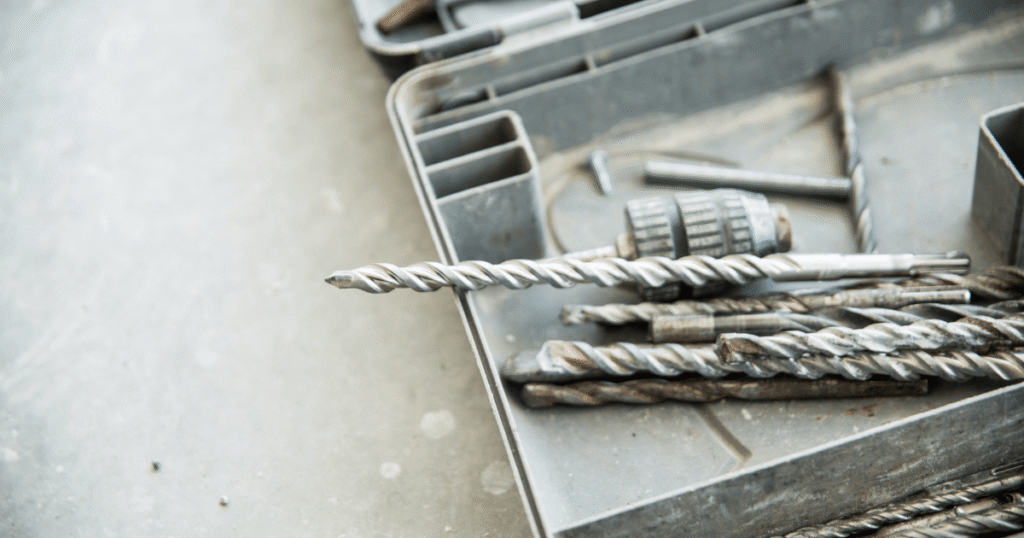
You don’t need a construction-sized toolkit to drill into concrete, but you do need the right tools.
Using the wrong drill or bit can make the job frustrating and potentially damage your tools.
Here’s your essential checklist:
- Hammer drill – The MVP for drilling into concrete. Regular drills just won’t cut it.
- Carbide-tipped masonry drill bits – Designed for penetrating hard surfaces.
- Safety glasses & gloves – Protect those eyes and hands.
- Dust mask – Concrete dust isn’t your friend.
- Vacuum or brush – For cleaning out the hole after drilling.
- Masking tape or depth stop – To keep holes at the correct depth.
That’s it! If you have these tools on hand, you are good to go!
Step By Step: How To Drill Holes In Concrete
If you’re ready to actually drill holes in concrete, follow these steps for a clean, accurate result.
1. Mark Your Drilling Spot
Measure twice, drill once. Use a pencil or marker to clearly mark the exact spot where you want your hole. If drilling multiple holes, double-check alignment.
2. Set Your Drill to Hammer Mode
A hammer drill works by both rotating and pounding into the concrete, making it much easier to drill. Without hammer mode, you’ll be there until next Tuesday.
3. Start With a Small Pilot Hole
Using a smaller masonry bit first makes it easier to drill the final hole without too much resistance. Think of it as a warm-up lap before the real race.
4. Drill Slowly and Steadily
- Hold the drill perpendicular to the surface
- Apply firm but not excessive pressure
- Let the drill do the work, don’t force it
5. Clean Out the Hole
Stop every so often to pull the bit out and remove dust. Use a vacuum or brush to clean the inside of the hole completely.
6. Switch to Your Final Bit Size
Once your pilot hole is ready, switch to your desired bit size and drill again. This ensures precision and less strain on your drill.
7. Insert Anchors or Hardware
If you’re hanging something, place your wall anchors, sleeve anchors, or expansion bolts into the hole before mounting your item.
Pro Tips To Drill Holes In Concrete
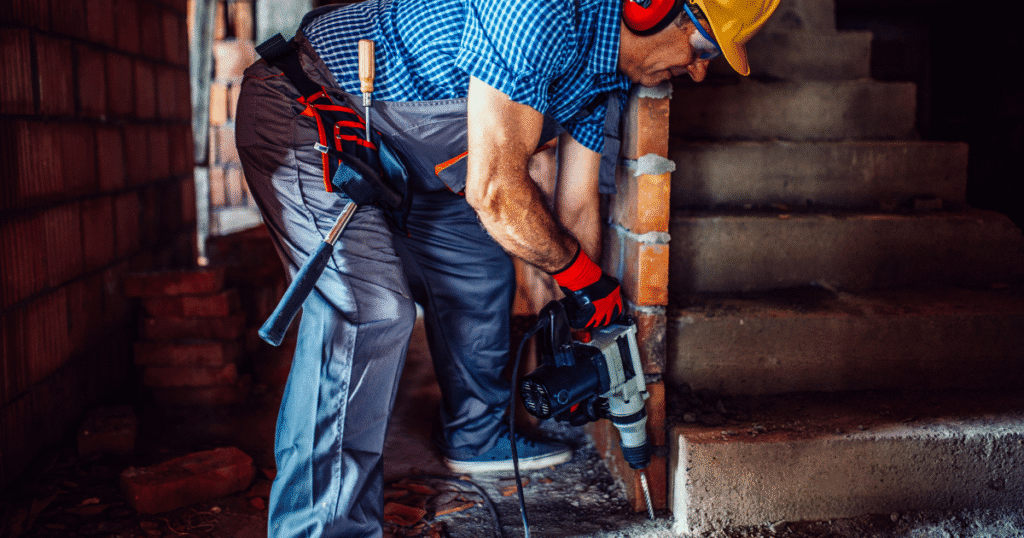
Even if you’ve done it before, these tips will make the process smoother and help you avoid common mistakes:
- Use sharp masonry bits – Dull bits will make the job much harder.
- Avoid overheating – Let the drill rest if it gets too hot.
- Don’t skimp on safety gear – Concrete dust and flying debris can cause injury.
- Keep bits straight – Tilting can widen the hole and reduce anchor strength.
- Be patient – Slow and steady wins the drilling race.
Common Mistakes When You Drill Holes In Concrete
Sometimes it’s good to learn what not to do before you start.
Avoid these pitfalls:
- Using a regular drill – It will take forever and might burn out your tool.
- Skipping a pilot hole – This can cause bits to wander and holes to be uneven.
- Forcing the drill – Leads to broken bits and sloppy holes.
- Not cleaning the hole – Anchors won’t grip well in dusty holes.
- Drilling too deep or too shallow – Makes mounting hardware unstable.
Safety Reminders
Concrete drilling creates dust and flying particles. Always follow safety best practices:
- Wear safety glasses and gloves
- Use a dust mask or respirator
- Secure your work area to prevent slips
- Keep cords away from the drill bit
- Take breaks to prevent fatigue
These points may seem a tad extreme, but over my years in the concrete industry, people tend to get a little slack or complacent with safety and personal protective equipment. and this is when your chances of injury increase.
Overall Summary
Learning how to drill holes in concrete isn’t as scary as it seems. With the right tools, a bit of patience, and good technique, you can confidently tackle projects that involve concrete walls, floors, or ceilings.
Just remember: measure carefully, drill slowly, and respect the dust.
The next time you need to mount a shelf, hang a TV, or install a railing on concrete, you’ll know exactly how to do it.
I hope you have enjoyed this article 🙂 Thanks for reading.