
If you’re even slightly tuned into the world of construction, you’ve probably come across the term insulated concrete forms, or ICFs.
It’s one of those “game-changing” building technologies that more and more contractors, homeowners, and even DIYers are swearing by.
So what exactly are insulated concrete forms, and are they really worth the hype?
Today, I’ll break down the ins and outs of insulated concrete forms in simple terms and explain why this building method is gaining serious momentum, and also take a realistic look at its downsides.
What Are Insulated Concrete Forms
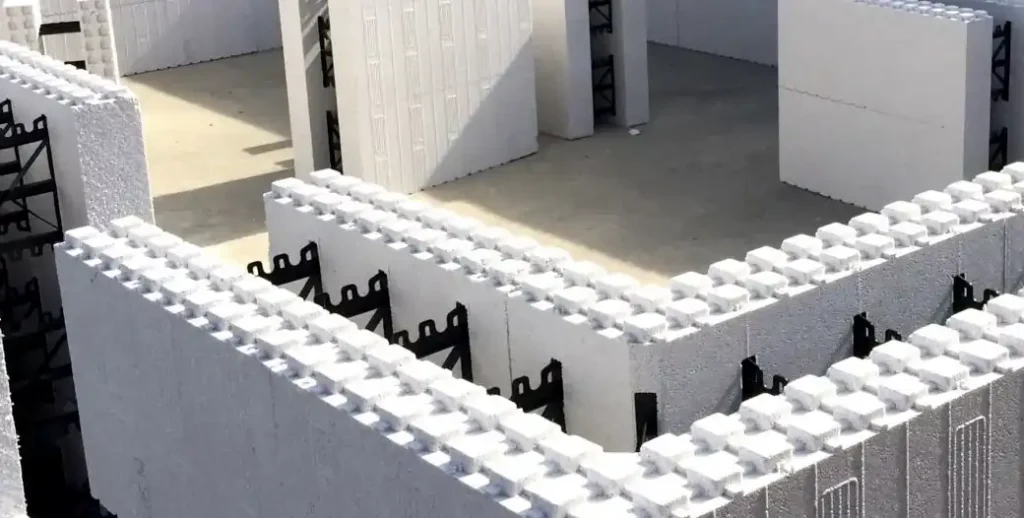
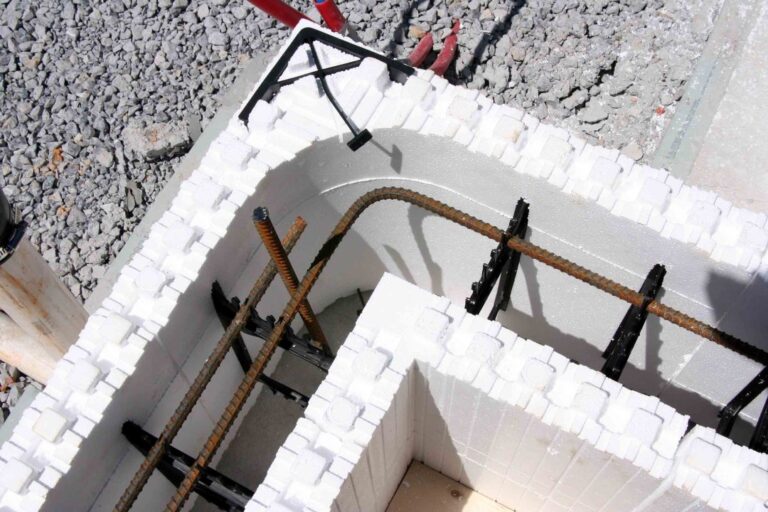
Insulated concrete forms (ICFs) are basically big, hollow foam blocks (usually made of expanded polystyrene) that stack together like Lego bricks.
Once they’re set up, concrete is poured into the hollow centers.
So you end up with a strong concrete wall sandwiched between two thick layers of insulation.
These forms stay in place permanently and become part of the wall system, providing durability and top-tier insulation. Pretty clever, right?
Why Insulated Concrete Forms Are Getting So Popular
You’re not the only one wondering why insulated concrete forms are popping up everywhere.
Whether it’s residential builds, commercial spaces, or energy-efficient homes, ICFs are becoming a go-to material for a bunch of good reasons.
Here’s why builders are loving ICFs:
- Energy Efficiency – With that thick layer of foam on both sides, homes built with ICFs tend to have way better temperature control. That means less work for your HVAC system and lower energy bills.
- Durability – Concrete is no joke. Once set, it offers superior strength, making ICF walls resistant to storms, pests, fire, and even mold.
- Sound Insulation – Live near a noisy street or have neighbors who love loud music? ICFs naturally reduce outside noise.
- Faster Construction – The interlocking design makes it easier and quicker to put up walls.
- Eco-Friendly – The energy savings, long lifespan, and reduced waste make it a more sustainable option compared to traditional building methods.
How Do Insulated Concrete Forms Work?
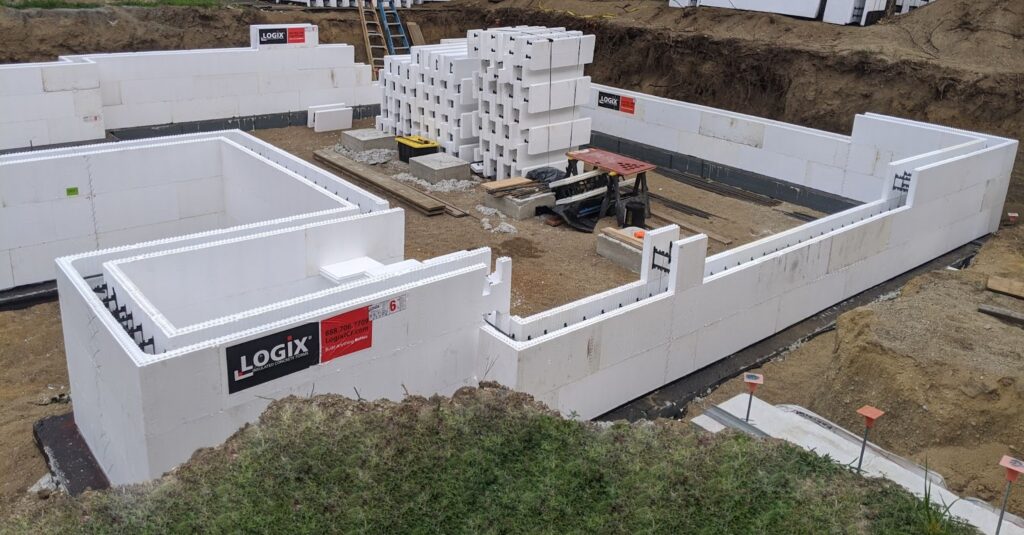
Imagine building with giant foam blocks that click into place.
Once they’re up, a crew comes in and pours concrete down into the center.
After that, the forms are left in place. No removing, no extra insulation needed.
This process creates what’s known as a “thermal envelope.” It locks in your indoor temps and keeps out the weather extremes.
The result? A more comfortable, stable indoor environment.
Best Use Cases For Insulated Concrete Forms
While you can technically use ICFs for just about any type of structure, some situations are especially perfect for them.
Where ICFs really shine:
- Energy-Efficient Homes – Perfect for homeowners looking to go green or cut utility costs.
- Basements – The moisture resistance and insulation make ICFs a favorite for below-grade construction.
- Storm-Prone Areas – ICFs can stand up to hurricanes, tornadoes, and more.
- Commercial Buildings – Businesses benefit from the long-term energy and maintenance savings.
- Schools & Churches – Quieter, more energy-efficient spaces for large groups.
Insulated Concrete Forms Disadvantages
Alright, time to talk about the other side of the coin.
While insulated concrete forms offer a ton of benefits, they’re not perfect. Depending on your situation, you might run into a few headaches.
Here are some common drawbacks to consider:
- Higher Upfront Cost – The materials and specialized labor can be more expensive compared to traditional framing.
- Limited Contractor Experience – Not every contractor is familiar with ICFs. In some areas, you may struggle to find someone qualified.
- Complex Modifications – Need to make a last-minute change to your layout? That’s harder to do once the forms are in place.
- Wiring & Plumbing Challenges – Running pipes and wires through foam-concrete walls takes a little more effort and planning.
- Bulky Materials – Those big foam blocks take up space, which can be a storage and handling issue on smaller job sites.
Despite these cons, many still see ICFs as a worthwhile investment, especially when energy savings and long-term durability are top priorities.
Tips for First-Time ICF Builders
Thinking about trying out insulated concrete forms for your next project? Smart move. But before you dive in, here are a few quick tips:
- Hire an experienced ICF contractor – Not all builders know how to work with ICFs efficiently.
- Plan your layout carefully – ICFs are best used when you’ve got a firm floor plan and minimal last-minute changes.
- Double-check local building codes – Some areas might have specific requirements or restrictions on ICF use.
- Don’t skip the bracing – During the pour, those forms need solid bracing to prevent bulging or blowouts.
Are Insulated Concrete Forms Worth It?
That depends on your priorities. If you’re after long-term value, energy savings, and durability, insulated concrete forms are a strong contender.
They may cost more upfront, but they can pay for themselves in energy savings and reduced maintenance.
For people building their forever homes or in regions with harsh weather, ICFs are seriously worth considering.
Final Thoughts
Insulated concrete forms might not be a household term just yet, but they’re quickly becoming one of the smartest ways to build.
With unmatched durability, insulation, and energy efficiency, it’s easy to see why so many pros are making the switch.
Sure, they’re not perfect. But if you can work around the learning curve and initial cost, you might just end up with a home that’s quieter, sturdier, and cheaper to heat and cool.