


Concrete expansion joints are those small but important gaps you often see in bridges, highways, sidewalks, and buildings. When you’re walking across a bridge or driving on a highway, you probably don’t think much about them, but they serve a big purpose.
In today’s blog, I’ll explain exactly what expansion joints are, why we need them, and where you’ll typically find them
What Are Concrete Expansion Joints?
Expansion joints are specially designed gaps or spaces placed in structures like buildings, bridges, sidewalks, pipelines, and even railways.
These joints allow materials (like concrete, steel, or metal) to expand and contract with changes in temperature, pressure, or movement without causing cracks or damage.
Think of them like shock absorbers or breathing spaces for solid materials.
Why Are Concrete Expansion Joints Important
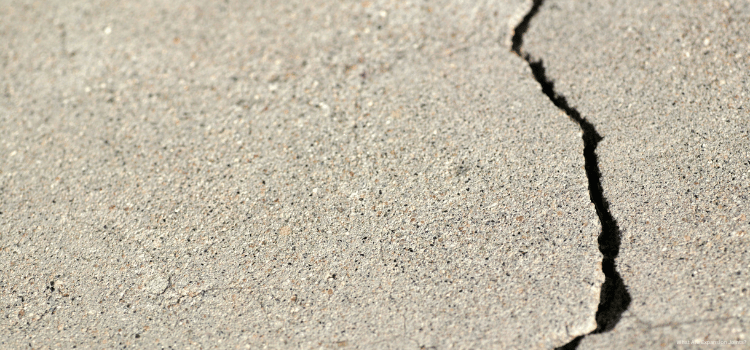
Without expansion joints, structures would crack, warp, or break over time. As temperatures rise and fall, materials naturally expand when it’s hot and contract when it’s cold.
Without room to move, the stress builds up, and that’s when things start to fall apart.
Concrete Expansion joints help prevent:
- Cracks in concrete or metal due to pressure
- Structural damage caused by weather changes
- Buckling or warping of long materials like pipelines or rails
- Leaks or failure in water or HVAC systems
Preventing or minimizing the chance of concrete cracking by using expansion joints can save loads of time, effort, and money.
If you have existing concrete with cracks, read this blog on how to repair cracks in concrete.
Where Are Expansion Joints Used
You can find expansion joints in many types of construction and mechanical systems.
Some common places include:
- Bridges and highways – to handle the constant expansion and contraction from changing weather
- Buildings – especially high-rises and large commercial structures
- Sidewalks and pavements – to prevent cracking
- Pipelines – especially those that carry hot liquids or steam
- Railway tracks – to prevent buckling in extreme heat
- Aircraft and ships – to handle stress and movement in different parts of the vehicle
- House floors and driveways – Larger house floors and driveways will need expansion joints to prevent cracking.
Types Of Expansion Joints
There’s more than one kind of expansion joint, and the type used depends on the structure and environment.
Here are some of the main types:
1. Concrete Expansion Joints – Used in sidewalks, pavements, and large concrete slabs. They’re often filled with a flexible material like rubber or foam.
2. Bridge Expansion Joints – Special joints that allow movement in multiple directions to deal with the heavy loads and temperature shifts that bridges face.
3. Pipe Expansion Joints – Flexible connectors in piping systems that absorb vibration and allow for thermal expansion.
4. Metal Expansion Joints – Used in high-temperature applications like exhaust systems, boilers, and industrial machinery.
Benifits Of Using Expansion Joints

These are the main reasons why expansion joints are such a key part of modern construction:
 Prevents cracking and breaking in materials
Increases the lifespan of structures and equipment
Reduces maintenance costs
Improves safety by preventing sudden failures
Allows for smooth thermal and structural movement
Warning Signs That Expansion Joints Might Need Attention
Just like any part of a structure, expansion joints can wear out over time, and depending on the purpose of the structure, these expansion joints may need to be fixed.
Here are some warning signs that expansion joints might need repair or replacement:
- Visible cracks or gaps
- Water leaks in buildings or pipes
- Noise or vibration in piping systems
- Buckling or lifting concrete surfaces
- Rust or corrosion around the joint
Quick Recap: What You Need To Know About Expansion Joints
- Expansion joints are gaps that let materials expand and contract safely.
- They are used in bridges, buildings, pipelines, and many other places.
- They help prevent cracks, leaks, and structural failures.
- Different types exist depending on the use (concrete, pipe, metal, etc.).
- Regular maintenance is important to keep them working properly.
When In Doubt, Leave Space To Expand
Whether it’s a DIY sidewalk project or designing a commercial building, it’s important to include expansion joints where necessary.
It’s one of those small details that make a huge difference over time, saving you from major repairs and costly headaches down the road.