

Learning how to patch holes in concrete is easier than you might think. You don’t need to be a construction pro… just a bit of patience, the right materials, and a good game plan.
In this guide, I’ll walk you through everything from understanding why concrete gets damaged to fixing it so well your neighbors will think you hired a professional crew.
Why You Should Patch Holes In Concrete
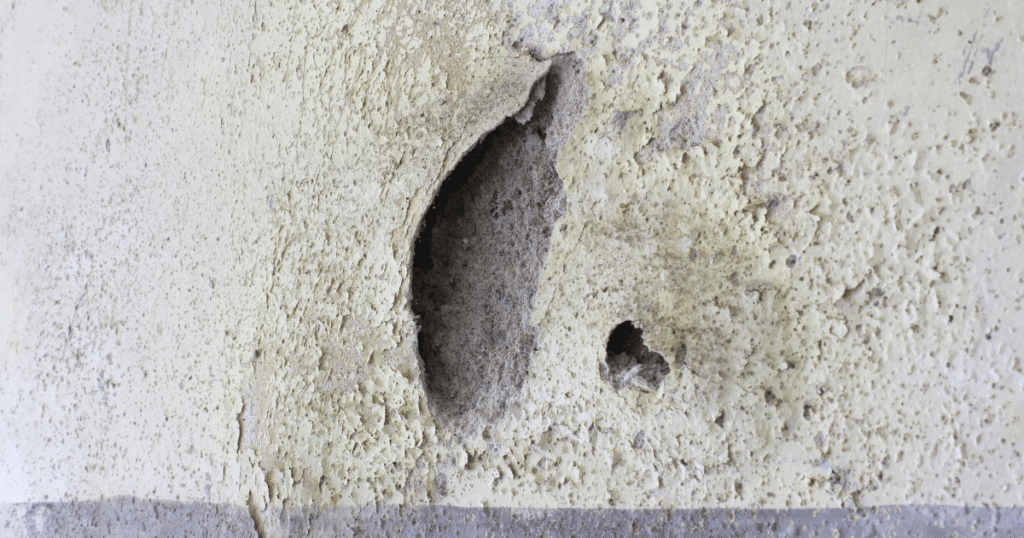
Small holes in concrete might not seem like a big deal at first, but trust me, ignoring them is like ignoring that weird rattle in your car. Eventually, it’s going to get worse, and fixing it will be a bigger (and more expensive) project.
Here’s why you shouldn’t put off the repair:
- Prevent further damage – Holes can turn into cracks, which can spread.
- Avoid safety hazards – Trips, stubbed toes, and twisted ankles are no fun.
- Stop water infiltration – Water can seep in, freeze, and make the hole bigger.
- Keep it looking good – Curb appeal matters, whether it’s your home or a business.
The sooner you can patch holes in concrete, the better.
Tools and Materials You Will Need To Patch Holes In Concrete
Before we jump into the steps, let’s make sure you have the right gear on hand. You don’t need a workshop full of fancy tools, just the basics.
You’ll need:
- Wire brush
- Chisel and hammer
- Shop vacuum or stiff broom
- Concrete patch mix or repair mortar
- Mixing bucket
- Trowel or putty knife
- Safety glasses and gloves
- Water spray bottle
Pro tip: If you’re dealing with a deep hole, you may also want gravel or sand to fill the base before applying the patching mix.
Step-by-Step: How To Patch Holes In Concrete
Alright, time to get hands-on. Here’s how to patch holes in concrete like a pro without calling one.
1. Clean Out the Hole
Use a wire brush to scrub away loose debris, dirt, or crumbling concrete. If chunks are stubborn, tap them gently with a hammer and chisel. Vacuum up all the dust so your patch sticks properly.
2. Dampen the Area
Lightly mist the hole with water. This keeps the surrounding concrete from sucking moisture out of your patch mix too quickly, which could weaken the bond.
3. Mix the Patching Compound
Follow the manufacturer’s instructions. Usually, you’ll add water to the mix in a bucket until you get a peanut-butter-like consistency. Don’t rush this part; a lumpy mix makes for a weak repair.
4. Apply the Patch
Using your trowel, press the patching compound firmly into the hole. Fill it slightly above surface level to allow for shrinkage as it dries.
5. Smooth & Shape
Feather the edges so the new patch blends into the old surface. A smooth finish not only looks good but also prevents tripping hazards.
6. Let It Cure
Follow the drying time on the product’s label — usually 24 to 48 hours. Keep the patch moist for the first day or two to prevent cracking.
And that’s it, you’ve just tackled the process of patching holes in concrete from start to finish.
By taking the time to clean the area, mix your patch properly, and let it cure the right way, you’ve set yourself up for a repair that’s going to hold strong for years. The best part? You didn’t need an expensive contractor or a garage full of power tools, just a bit of effort and the right know‑how.
Tips For A Long Lasting Concrete Patch
Want your repair to last more than just one season? Keep these in mind:
- Choose the right patching product – Some are designed for indoor use, others for exterior.
- Don’t rush curing time – The slower the concrete dries, the stronger it becomes.
- Avoid heavy loads too soon – Give it a few days before parking cars or placing heavy furniture on it.
- Seal the area – Applying a concrete sealer can protect against moisture and future cracks.
When To Call A Professional
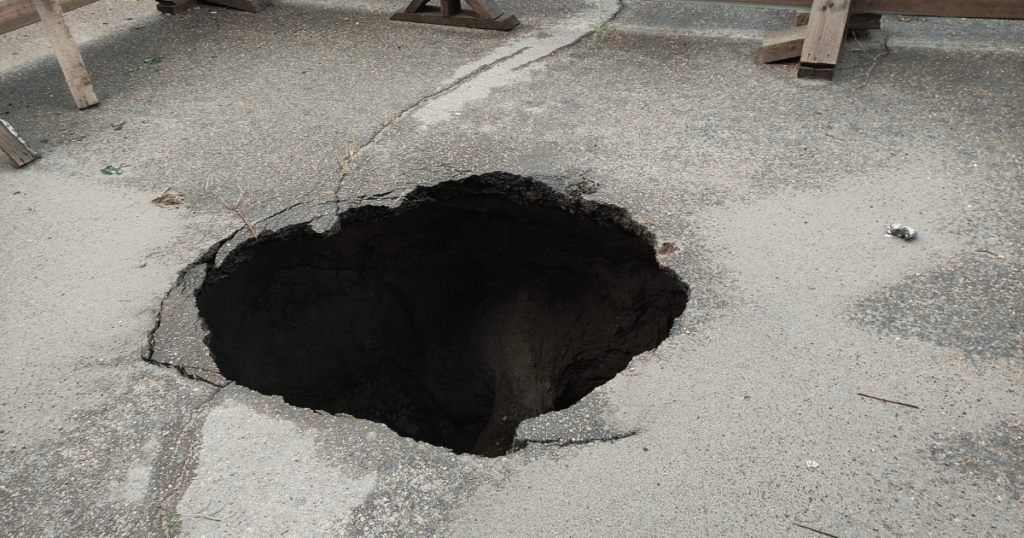
If you’re dealing with a massive hole, structural cracks, or damage caused by foundation issues, patching it yourself might just be putting a Band-Aid on a bigger problem.
In those cases, calling in a pro can save you time, frustration, and money in the long run.
Common Mistakes When Patching Holes In Concrete
Even with the best intentions, some repairs fail because of simple oversights.
Here’s what to avoid:
- Skipping the cleaning step – Dirt and debris weaken the bond.
- Using the wrong mix – Regular concrete mix isn’t always the best choice for small patches.
- Overwatering the mix – This can cause it to crumble later.
- Not feathering the edges – Creates visible bumps and unevenness.
- Skipping the sealant – Leaves your patch vulnerable to water damage.
Even with lower-priced concrete patch filler, if you do the prep and follow the steps I have mentioned, your patch should last the test of time.
Final Thought On How To Patch Holes In Concrete
Fixing damaged concrete isn’t as intimidating as it seems. With the right prep, materials, and a little elbow grease, you can patch holes in concrete so effectively that the repair will blend seamlessly into the original surface.